


Nature
Why Earth's Largest Ape Went Extinct g

Little is known about the mysterious Gigantopithecus blacki, a distant relative to orangutans that stood up to 10 feet (3 meters) tall and weighed up to 595 lbs. (270 kilograms).
However, a new analysis of its diet suggests it lived and ate exclusively in the forest. When its forest habitats shrank about 100,000 years ago, the enormous ape may not have been able to snag enough food to survive and reproduce, and went extinct as a result, said study co-author Herve Bocherens, a paleontologist at the University of Tubingen in Germany.
More...
5 facts about dinosaurs that jurassic world probably got completely wrong
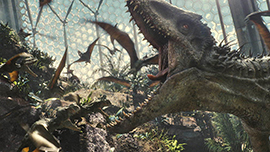
Dinosaurs were covered in feathers, not scales
After years of debate, scientists now know that dinosaurs were the ancestors of birds, not reptiles. Dr Jakob, along with scores of other palaeontologists, have confirmed that dinosaurs as large as T. rex were covered in feathers rather than scales.
More...

Elephant Social Networks Remain Strong In The Face of Poaching
Unfortunately, this means no there is no respite in sight for the African elephant, and this has placed lots of pressure on elephant family groups, which are highly developed and complex social networks. However, despite near constant disruption and turnover within elephant families, the integrity of their social groups has remained surprisingly intact, revealing a hopeful bit of resiliency in an otherwise dismal situation.
More...
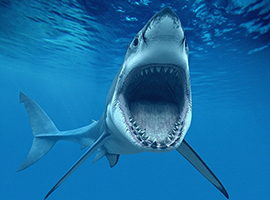
Great White Sharks Can Sense Emotions?
The most well-known shark species, such as the great white shark, tiger shark, blue shark, mako shark, and the hammerhead shark, are considered to be apex predators at the top of their underwater food chain.
As apex predators, sharks play a vital role in our ocean's food chain and yet humanity in recent times has brutally obstructed their ability to play this role. Why? First, let's take a look at scientific discoveries on sharks and Great White Sharks in particular.
More...

How are minerals involved in creating liquid crystalline water?
Minerals in water can either be biologically available or not. In other words, they can be easily recognized or they must undergo changes before they can perform their functions. Any changes require "work" so the easier it is for minerals to be used the better. Most biologically unavailable minerals are excreted or stored in the body as deposits that can cause plaque and joint problems.
More...

Structured Water: Embracing Expansive Knowledge
It's no coincidence that imaginative geniuses of the past often embraced expansive knowledge in their search for scientific breakthroughs. This gave them the ability to solve larger problems; a path we sometimes lose because of our narrow, self-minded focus of today.
More...